
The Importance of Timely Flooring Decisions: Avoiding Discontinuation Dilemmas
PRODUCT GUIDANCE
3/12/20267 min read
The Importance of Timely Flooring Decisions
In the realm of interior design, flooring plays a pivotal role in establishing a home’s aesthetic appeal. A seamlessly integrated flooring solution throughout a residence not only enhances visual coherence but also creates a feeling of spaciousness and continuity. When flooring transitions smoothly from one room to another, it fosters an inviting atmosphere that can bring a cohesive look to the entire space.
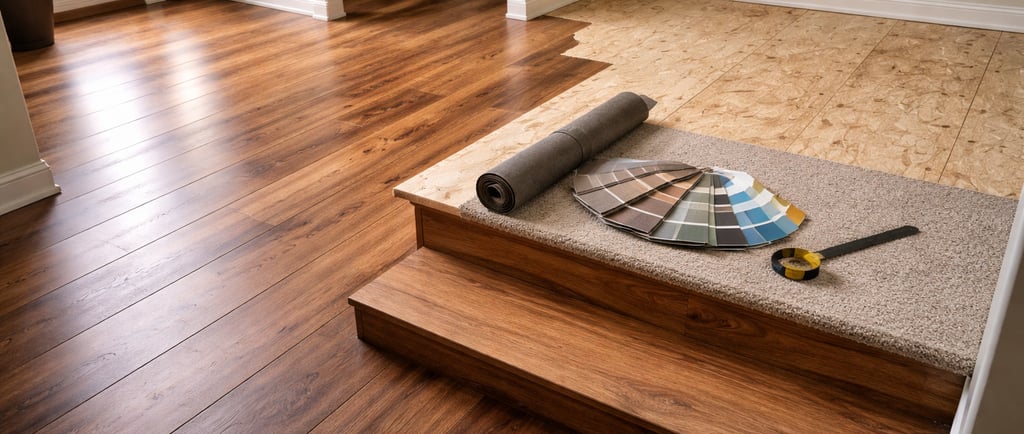
Imagine a homeowner wishing to extend their elegant hardwood flooring to the upstairs area of their home. This wish, however, is fraught with potential complications. If the original flooring product has been discontinued, achieving that seamless flow becomes a daunting challenge. The absence of matching materials can force homeowners to make compromises, often resulting in mismatched textures or colors that disrupt the designed flow and overall harmony of the living space.
The problem of discontinuation can be a harsh reality for those who delay flooring decisions. When a flooring style that appeals to the homeowner first appears, the excitement can sometimes be overshadowed by a lack of urgency in making a purchase. As time passes, the risk of discontinuation increases. Homeowners are often left scrambling for alternative solutions that may not align with their initial vision, ultimately leading to disappointment and increased costs.
This scenario underlines the importance of timely decisions when it comes to flooring choices. Making a prompt decision not only ensures that the desired flooring type remains available but also secures the integrity of a home’s aesthetic vision. It is crucial for homeowners to remain proactive and vigilant regarding their flooring selections to avoid the pitfalls of product discontinuation, thereby preserving the beauty and cohesion of their interiors.
Understanding Flooring Trends and Discontinuations
In the ever-evolving landscape of home design, flooring trends are paramount. The flooring industry is significantly influenced by shifting consumer preferences, which continues to evolve over time. Factors such as economic fluctuations, technological advancements, and even cultural shifts impact what materials and styles are favored by homeowners. Consequently, many flooring products find themselves on the discontinuation list as manufacturers aim to adapt to these emerging trends.
The inclination of consumers toward new materials and styles plays a critical role in determining the lifespan of flooring products. For instance, a surge in demand for sustainable materials has led to the rise of bamboo and reclaimed wood, pushing traditional options like vinyl or carpet out of favor. As consumers prioritize eco-friendly choices, companies scramble to meet these demands, often resulting in the discontinuation of less popular items. This trend highlights the importance of understanding the current market dynamics and aligning choices with long-term preferences, rather than short-lived fads.
Manufacturing decisions also affect flooring availability. If a particular product line does not meet sales expectations or if production costs rise sharply, manufacturers may impulsively discontinue these items to cut losses. Additionally, the introduction of innovative technologies often leads to new products that render older models obsolete. This constant cycle of innovation and change can leave homeowners in difficult positions when they plan renovations or replacements. Thus, being attuned to flooring trends allows consumers to make timely decisions that alleviate future dilemmas regarding product availability.
In conclusion, staying updated on flooring trends is crucial for homeowners, as it directly influences accessibility and product viability. Understanding the intricate relationship between market trends and product discontinuations equips consumers to make informed choices about their flooring projects, ultimately enhancing their home investments.
The Risks of Delayed Flooring Projects
Waiting too long to make flooring decisions can present significant challenges for homeowners, often leading to frustration and additional costs. One of the primary risks associated with delayed flooring projects is the potential discontinuation of flooring products. Over time, manufacturers may phase out specific lines or discontinue colors, which can severely impact homeowners who take excessive time to finalize their choices.
When a flooring material is discontinued, homeowners who want to replace or repair their floors may find it incredibly difficult to match the existing style. This issue is particularly acute in spaces where flooring must be maintained as a cohesive look, such as open-concept living areas or hallways connecting multiple rooms. Thus, a mismatched look can detract from the overall aesthetic appeal of the home.
Moreover, new styles and trends are constantly emerging in the flooring industry. Homeowners who delay their flooring project may find that their once-chosen style becomes outdated or less desirable by the time they decide to move forward. This can lead not only to a mismatch of styles within the home but also to feelings of regret about the flooring choice made years ago. Additionally, the longer homeowners wait to install new flooring, the greater wear and tear their existing floor will endure, potentially necessitating more extensive repairs or replacements in the future.
Ultimately, making timely flooring decisions can mitigate these risks, ensuring that homeowners select products that are both current and harmonious with their space. By understanding the possible consequences of delay, homeowners can better appreciate the importance of making informed and prompt flooring decisions that enhance the functionality and aesthetic value of their home.
Finding Alternatives: Blending vs. Switching Floors
When homeowners find themselves faced with the prospect of extending their flooring, two primary alternatives emerge: blending a similar color or switching to a different floor. Each of these options has its own set of advantages and disadvantages that can significantly influence the overall aesthetic and functionality of the space.
Blending involves selecting new flooring materials that closely match the existing floor color and style. This solution is often favored for its seamless integration, as it tends to maintain a uniform appearance throughout the area. For instance, if a homeowner has hardwood flooring and needs to replace a section due to wear, opting for the same style and color can result in a cohesive look that minimizes visual disruption. Additionally, blending can be more cost-effective, as finding a match may require less investment in new materials.
However, there are potential drawbacks to blending. Over time, existing floors may fade or develop wear patterns that new flooring will not replicate. Consequently, even slight differences in appearance can highlight the repair, resulting in an undesirable contrast. Furthermore, the availability of specific shades may become an issue as manufacturers discontinue certain lines or colors.
Switching to a different floor presents a contrasting approach where homeowners embrace the opportunity for a new aesthetic. This option allows for a fresh design perspective, introducing varied materials or colors that can enhance the overall look of the space. For example, transitioning from hardwood to tile or from carpet to laminate can create distinct zones in an open-concept area, adding visual interest.
Nonetheless, switching can come with challenges. The stark contrast between the old and new flooring may disrupt the flow of the space if not executed thoughtfully. Homeowners must consider the compatibility of materials—both in terms of design and function—ensuring a harmonious transition that complements the surrounding elements.
Ultimately, whether a homeowner opts for blending or switching floors, careful consideration of the pros and cons, along with the specific context of their home, will guide them to the best decision.
The Seamless Look: Why It Matters
In contemporary interior design, achieving a seamless look throughout a home has gained considerable importance. The concept of a cohesive flooring design, wherein all rooms exhibit similar textures and colors, fosters a sense of visual harmony. This unified approach not only enhances the aesthetic appeal but also contributes significantly to the overall ambiance of living spaces.
One major reason the seamless appearance is sought after is its ability to create a flow between different areas. When flooring materials transitions are minimized or designed with uniformity, the transition between spaces feels more natural and inviting. This uninterrupted visual flow can have a powerful impact, drawing attention away from the boundaries of each room and encouraging an open, airy environment, which is particularly beneficial in smaller homes.
Furthermore, investing in a seamless flooring solution can positively influence property value. Prospective buyers often seek out homes that showcase thoughtful design choices, including cohesive flooring. When potential buyers observe consistent flooring throughout the space, it communicates a sense of care and attention to detail by previous owners. As a result, this can lead to higher marketability and an increase in property valuation.
Additionally, a seamless flooring design can significantly enhance functionality. For example, selecting a single flooring type throughout can simplify maintenance, as it eliminates the need for specialized cleaning products for multiple flooring variations. Moreover, this choice contributes to a sense of comfort and continuity, where each room feels integrated instead of disjointed. Ultimately, a seamless look is not merely an aesthetic preference; it serves practical purposes that can justify the initial flooring decision and provide enduring benefits.
Best Practices for Flooring Decisions
Making timely flooring decisions is crucial for homeowners seeking to create durable and aesthetically pleasing environments. To facilitate this process, homeowners should consider a structured approach that encompasses careful planning, thorough research, and professional consultation.
Firstly, planning renovations well in advance allows homeowners to set realistic timelines and budgets. By assessing the overall scope of a project, including any necessary changes to the underlying structure, homeowners can prioritize their flooring choices in line with their long-term goals. Establishing a clear vision for the renovation helps avoid rushed decisions that may lead to dissatisfaction or costly changes later on.
Secondly, engaging in comprehensive research about flooring materials is essential. Homeowners should familiarize themselves with the various options available, including hardwood, laminate, tile, and carpet. Each material offers distinct qualities, advantages, and drawbacks. It is beneficial to compare properties such as durability, maintenance requirements, and cost efficiency. Keeping abreast of the current trends in flooring can also influence decisions, ensuring that selections resonate with contemporary aesthetics while maintaining functionality.
Finally, consultation with industry professionals can provide invaluable insights during the decision-making process. Experts such as interior designers or flooring specialists can offer guidance on the pros and cons of different materials, ensuring choices align with design preferences and practical use. These professionals can also assist in navigating warranties and product availability, addressing concerns related to potential discontinuation of specific flooring lines.
By following these best practices, homeowners can make informed flooring decisions that enhance their living spaces while minimizing the risk of facing discontinuation dilemmas in the future.
Conclusion: The Time to Act is Now
In the realm of home improvement, making timely flooring decisions is paramount. Homeowners often find themselves in a precarious position when they delay choosing flooring options, only to discover that their preferred materials have been discontinued or are no longer available. This unfortunate scenario not only hampers the design vision but also results in added stress during the renovation process.
Choosing flooring is more than just a practical decision; it plays a crucial role in establishing the aesthetic cohesion of a home. When a homeowner opts for certain styles, patterns, or colors, it is essential to act promptly to secure those choices. Delayed decisions can lead to a ripple effect of challenges, especially when finding substitutes that match or complement existing elements becomes necessary. Timeliness ensures that the selected flooring aligns with the intended design concept, thereby achieving the desired aesthetic appeal.
Moreover, the flooring industry is dynamic, with trends continuously evolving. Seasonal offerings and availability rates can fluctuate, influencing what will remain on the market. This further emphasizes the need for homeowners to stay informed and proactive about their flooring selections. By taking decisive action, individuals can avoid the dissatisfaction that accompanies discontinued products, ensuring that their homes reflect their unique style aspirations.
Ultimately, the key takeaway is to prioritize flooring decisions. Homeowners are encouraged to evaluate their options carefully and act decisively to enhance their living spaces. The right flooring not only contributes to a beautiful interior, but also protects against the unforeseen dilemmas that discontinuation can bring.
Next Floors
Info@Nextfloors.co
346-396-6398
© 2025. All rights reserved.