
Transforming a Garage into a Cozy Retreat: Embracing Comfort Over Coldness
PRODUCT GUIDANCE
3/23/20267 min read
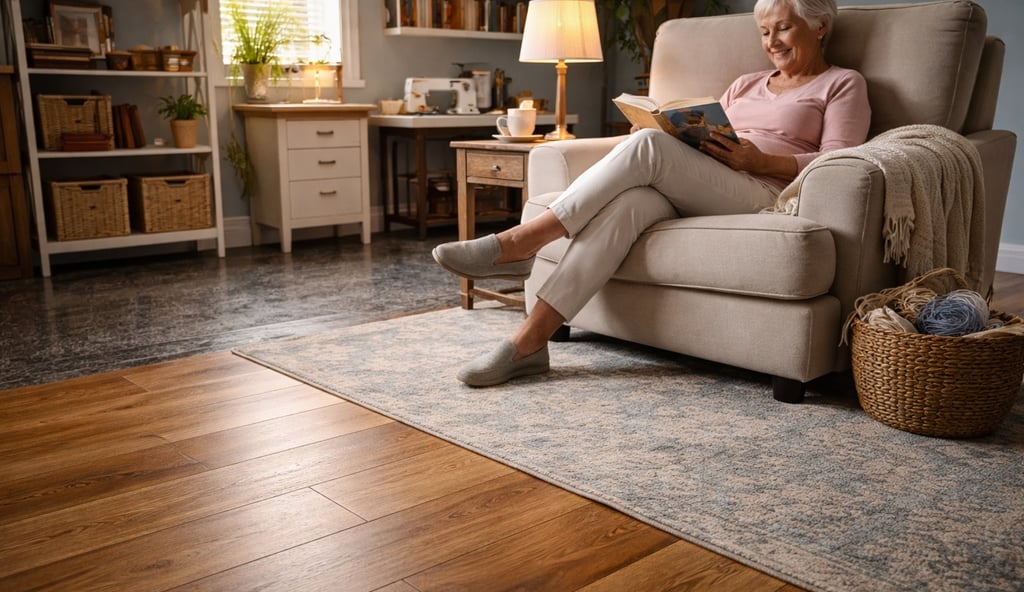
The garage has historically served as a utilitarian space, primarily designed for vehicle storage and maintenance. It is often filled with tools, seasonal items, and miscellaneous belongings that do not find a place in the home’s living areas. However, this conventional view is gradually shifting as homeowners begin to recognize the potential of their garages beyond just serving as functional storage. The transition of a garage from a mere storage area to a cozy retreat offers numerous possibilities.
In this particular case, the owner envisioned transforming her garage into a warm, inviting space inviting family and friends to gather. This remodeling journey started with the acknowledgment that the garage can become an extension of the home, rather than a separate, neglected area. By embracing this idea, she laid the foundation for a multi-functional space that incorporated comfort and style.
Transforming a garage invites creativity as homeowners consider different uses for the area. For some, it might become a workshop filled with inspiring tools and materials. For others, it may evolve into a home gym, a play area for children, or an entertainment room adorned with cozy furniture and playful decor. The flexibility of garage spaces allows for a personalization that resonates with the homeowners’ lifestyle preferences.
Planning a garage renovation involves assessing the layout, selecting appropriate lighting, and opting for decor that contributes to warmth and cohesion with the rest of the house. The blend of functional storage solutions with cozy seating arrangements creates a perfect balance; thus, it showcases that a garage can be much more than just a storage space. The transition is not merely about aesthetics but about rethinking the space to enhance the overall living environment.
The Challenge of Unforgiving Floors
One of the most significant hurdles faced when converting a garage into a comfortable retreat is the issue of unforgiving floors, specifically the cold epoxy flooring commonly found in these spaces. This type of flooring, while durable and easy to clean, often presents challenges concerning comfort and usability. The extreme coldness of the epoxy surfaces can lead to an unwelcoming atmosphere, particularly during the colder months. This situation can make it exceedingly difficult for individuals to enjoy the transformed environment, as prolonged exposure to such cold floors can affect one’s overall comfort level.
Moreover, the inherent hardness of epoxy flooring can contribute to physical discomfort. Many individuals have reported experiencing knee pain or joint discomfort as a direct result of spending extended periods standing or sitting on such unforgiving surfaces. Unlike softer materials that provide a degree of cushioning, epoxy flooring lacks the necessary give, leading to a more rigid experience for users. This not only discourages prolonged use of the garage space but also diminishes its potential as a cozy retreat.
Addressing the concerns posed by cold epoxy floors is essential for maximizing the functional comfort of any garage transformation project. Strategies such as incorporating rugs, mats, or even underfloor heating systems can mitigate discomfort and enhance the space's overall usability. By prioritizing comfort in flooring choices and design elements, homeowners can significantly improve the experience of retreating to their garage, aligning it more closely with the cozy atmosphere they desire.
Understanding the Importance of Comfort in Home Design
Comfort plays a pivotal role in the design of our living environments, profoundly influencing both our psychological state and physical well-being. A well-designed space that emphasizes comfort encourages relaxation, reduces stress, and fosters a sense of security, making it essential for any home, including a transformed garage. The integration of comfort into home design is not merely an aesthetic choice but a fundamental component of creating a nurturing atmosphere.
Psychologically, comfort in home design can improve mood and emotional well-being. Environments that prioritize warmth, softness, and tactile experiences can evoke feelings of happiness and contentment. For example, a cozy garage retreat with comfortable furnishings and calming colors can become a sanctuary from the rigors of daily life, promoting tranquility and positive mental health. When the space feels inviting and pleasant, it enhances the overall experience of being in that environment.
Additionally, physical well-being is closely linked to the concept of comfort in home design. The right flooring, for instance, can significantly affect how people interact with a space. Hard, cold surfaces may lead to discomfort or strain, while softer, warmer materials can engage our senses positively. Flooring choices such as plush carpets or cushioned tiles not only provide visual warmth but also contribute to a more supportive walking experience, reducing the risk of physical ailments over time. Furthermore, choosing natural materials can improve indoor air quality and lead to better health outcomes.
The importance of comfort should thus be integrated into every aspect of home design, from furniture selections to flooring materials. By prioritizing comfort, homeowners can create spaces that elevate their quality of life, ensuring the areas they inhabit not only are beautiful but also serve as comforting retreats.
Finding the Right Flooring Solution
When transforming a garage into a cozy retreat, selecting the right flooring is a fundamental step toward achieving an inviting atmosphere. The garage floor may often have a cold, hard surface that lacks warmth and comfort, making it essential to choose materials that enhance both aesthetics and functionality. Numerous flooring options are available, but prioritizing warmer materials is key.
One popular choice for creating a cozy environment is carpet. Carpet flooring not only provides warmth to your feet, but it also offers sound insulation, helping to reduce noise within the space. This is especially important if the retreat is used for relaxation or as a family gathering spot. Additionally, modern carpets come in various styles, colors, and textures, allowing homeowners to find the perfect match for their design vision.
In addition to carpet, other flooring options such as laminate or luxury vinyl can also create a warm feel. These alternatives can replicate the appearance of wood or stone, while providing additional comfort underfoot. Laminate flooring is generally easier to install and maintain, making it a practical choice for DIY enthusiasts. On the other hand, luxury vinyl offers increased durability, with water-resistant options ideal for a garage environment.
For those who seek an even higher level of comfort, heated flooring systems can be incorporated beneath products like tile or laminate. While this adds to the installation cost, the resulting warmth during colder months significantly enhances the overall experience in the retreat.
Ultimately, prioritizing comfortable and warm flooring options turns a standard garage space into a cozy haven, setting the tone for relaxation and enjoyment.
The Transformation: From Garage to Favorite Room
The conversion of a garage into a retreat begins with a vision—a vision that evolves into a tangible space that invites comfort and relaxation. The transformation process is a journey marked by creativity and an intent to craft a warm environment. A critical component in this metamorphosis is the selection of flooring. The stark, cold concrete typical of garages often contrasts sharply with the coziness desired in living spaces. Upgrading to warm hardwood or supple carpeting can significantly alter the dynamics of the room.
Initially, the garage may have felt uninviting, with its drab walls and unyielding flooring creating an atmosphere of coldness. However, the introduction of an inviting floor immediately brings new life to the area. Not only does a new floor create a softer underfoot, it also contributes to the acoustics of the room, muffling sounds and enhancing the overall atmosphere. As the completion of flooring installation draws closer, the space begins to feel less like a utilitarian storage area and more like a personal sanctuary.
Additional elements such as warm lighting fixtures, plush seating options, and decorative accents amplify the transformation. The newly added floor can serve as a foundation for various design choices, from contemporary to rustic. With adequate insulation, even the walls can be updated, paired with large windows allowing natural light to flood the room, enhancing its inviting nature. This carefully curated space becomes a multifunctional area, allowing family gatherings, quiet reading nooks, or even an arts-and-crafts zone.
Ultimately, the effort put into revitalizing the garage results not only in a visually appealing area but also in the subtle warmth that makes it a beloved part of the home. It stands as a testament to the possibilities of transforming neglected spaces into places of comfort and cherished memories.
The Impact of a Comfortable Space on Daily Life
Transforming a garage into a cozy retreat can have profound effects on an individual's quality of life. The aesthetics of a comfortable space not only enhance the visual appeal of the room but also influence the emotions and well-being of its occupants. Anecdotal evidence suggests that many people experience a sense of calm and relaxation in beautifully designed areas. For instance, consider someone returning home after a long, hectic day; stepping into a warm, inviting retreat can significantly change their emotional state. The comfort provided by well-chosen furniture, soft lighting, and personalized decor fosters a nurturing environment that encourages relaxation and tranquility.
Moreover, the psychological impact of a cozy space cannot be overstated. A renovated garage can become a personal sanctuary where one can unwind, read, or engage in hobbies. The act of creating a comfortable space often leads to a stronger emotional connection with the home. Homeowners frequently express feelings of pride and satisfaction when they see their transformed space; it becomes a reflection of their tastes and personal journey. This emotional investment enhances daily life, as individuals often find themselves drawn to these spaces to recharge amidst life's stresses.
The transformation of a garage, therefore, is not merely about cosmetic changes but about enriching life experiences. For many, these spaces become favorite spots where cherished memories are made, from hosting gatherings to enjoying quiet mornings with a cup of coffee. The shift from cold, unused areas to warm, inviting retreats encourages a lifestyle that prioritizes comfort, creativity, and connection. Engaging in the process of renovation can also foster skills such as planning and project management, further contributing to a sense of accomplishment.
Conclusion: The Importance of Home Spaces and Personal Comfort
Creating a harmonious and inviting environment within our homes plays a pivotal role in shaping our overall well-being. The transformation of a garage into a cozy retreat is a testament to this principle, highlighting how even seemingly utilitarian spaces can be reimagined to enhance comfort and functionality. This process emphasizes that home design should prioritize the needs and desires of its inhabitants, reflecting personal tastes and lifestyle preferences.
Comfort is more than just physical ease; it encompasses emotional and psychological satisfaction as well. By nurturing an atmosphere that fosters relaxation and serenity, we positively influence our daily experiences. The deliberate integration of comforts, such as soft furnishings, effective lighting, and inviting decor, can turn a cold, neglected space into a haven of tranquility. With thoughtful planning and design, the potential of any area within a home can be fully realized.
Moreover, the impact of such transformations often extends beyond the immediate space. When individuals prioritize comfort in their living environments, they create a ripple effect that influences family dynamics and social interactions. Spaces that encourage gathering and connection can strengthen bonds and improve communication among family members and friends. Therefore, investing in the design and comfort of our home spaces is not merely an aesthetic decision but a crucial aspect of cultivating a fulfilling lifestyle.
In light of these considerations, it is essential to recognize the profound relationship between comfort and home design. Small, intentional changes can lead to significant improvements in how we experience our living spaces. As we reflect on the importance of creating welcoming environments, let us embrace the philosophy that our homes should serve as nurturing retreats, fostering both comfort and joy in our everyday lives.
Next Floors
Info@Nextfloors.co
346-396-6398
© 2025. All rights reserved.