
How to Tell If Your Carpet Has Water Damage (Katy, TX Guide)
Learn the clear signs of carpet water damage, how to check for moisture under carpet, and when a wet carpet is beyond saving. A logical, expert guide for Katy homeowners.
11/25/20254 min read
How to Tell If Your Carpet Has Water Damage
When you live in a place like Katy, where humidity is a constant companion and unexpected leaks are anything but rare, you eventually face a simple but strategic question: "Is my carpet actually water-damaged, or is this just normal wear?" Homeowners prefer clarity, not guesswork, and water damage is one area where ambiguity can cost you, literally. The trick is understanding the difference between temporary moisture and long-term structural deterioration happening below the surface. Because carpets hide problems well, detecting water damage means analyzing patterns, textures, smells, and underlying materials like an investigator, not just relying on surface observation.
Below is a highly practical framework that gives you a clear, logical way to evaluate your carpet in Katy. No fluff, no vague advice. Just a systematic approach to diagnosing the issue before it becomes a bigger, more expensive problem.
The Quick Answer: Key Signs of Carpet Water Damage
Carpet water damage is typically identified by a combination of visual, tactile, and environmental clues. The most common signs include discoloration, lingering dampness, musty odor, carpet warping, delamination (where the carpet separates from its backing), and the development of mold or mildew. If your carpet in Katy feels soft, squishy, or uneven underfoot, this often signals moisture trapped in the padding, especially in humid climates where standing moisture evaporates more slowly. If you notice fraying edges, wrinkles, bubbling, or a sudden change in texture, those are additional indicators of long-term water exposure.
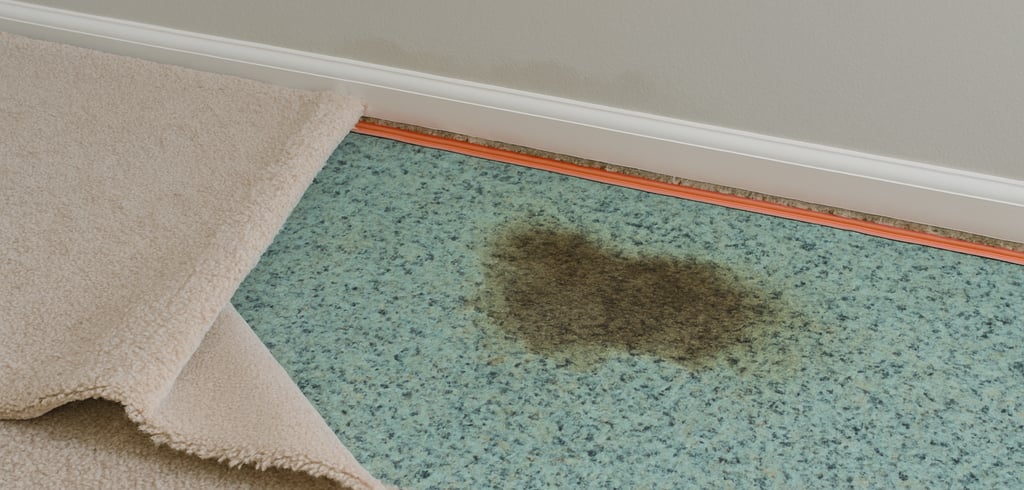
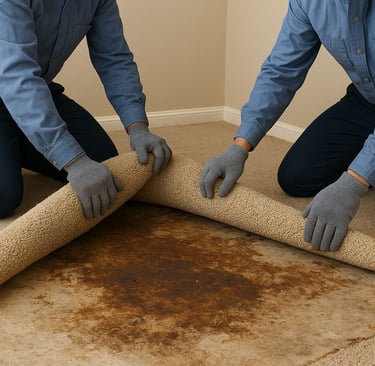
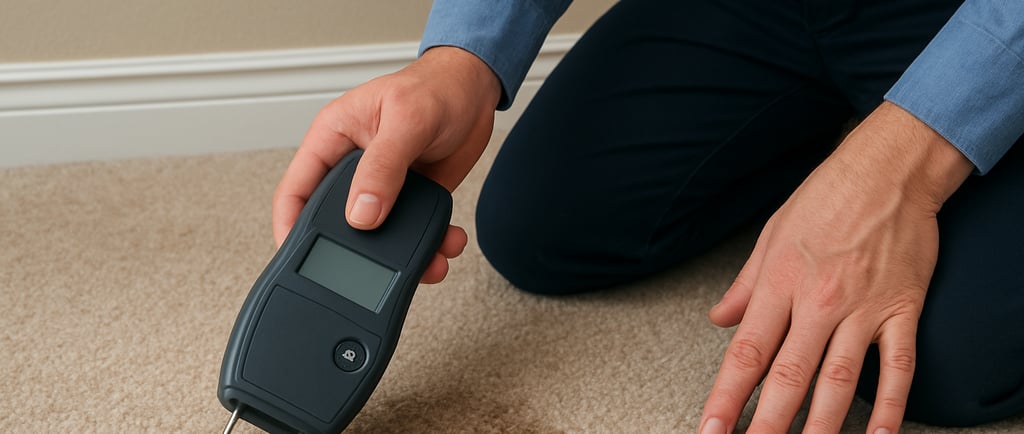
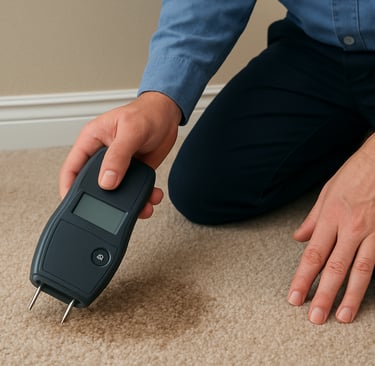
The most reliable way to confirm hidden damage is by lifting a corner of the carpet to inspect the backing and padding. If the padding is damp, crumbling, or discolored, the carpet has water damage and will likely require replacement. Additionally, moisture meters (common tools used by flooring professionals) can detect moisture levels beneath the carpet without pulling it back. Because mold can begin growing within 24 to 48 hours of water exposure, early detection is critical. Any signs listed above should be treated seriously to protect your carpet installation's integrity and your home's air quality.
Why Katy Homes See Water-Damaged Carpet More Often
Katy's weather does homeowners no favors. Between humidity, heavy storms, clogged AC drain lines, and slab-on-grade construction, moisture often goes undetected until something feels "off." Many flooring problems we see during carpet installation in Katy start with a subtle leak that wasn't obvious at first, especially in rooms with low airflow like closets, media rooms, and guest bedrooms.
Homeowners typically notice patterns early: a smell that wasn't there before, a squish under one part of the room but not another, or a patch of carpet that suddenly looks darker in the evenings when humidity peaks. These micro-observations often point directly to the root cause, and recognizing them early can save you from a full carpet replacement in Katy.
What Does Water Damage on a Carpet Look Like?
Water-damaged carpet rarely hides forever. Look for:
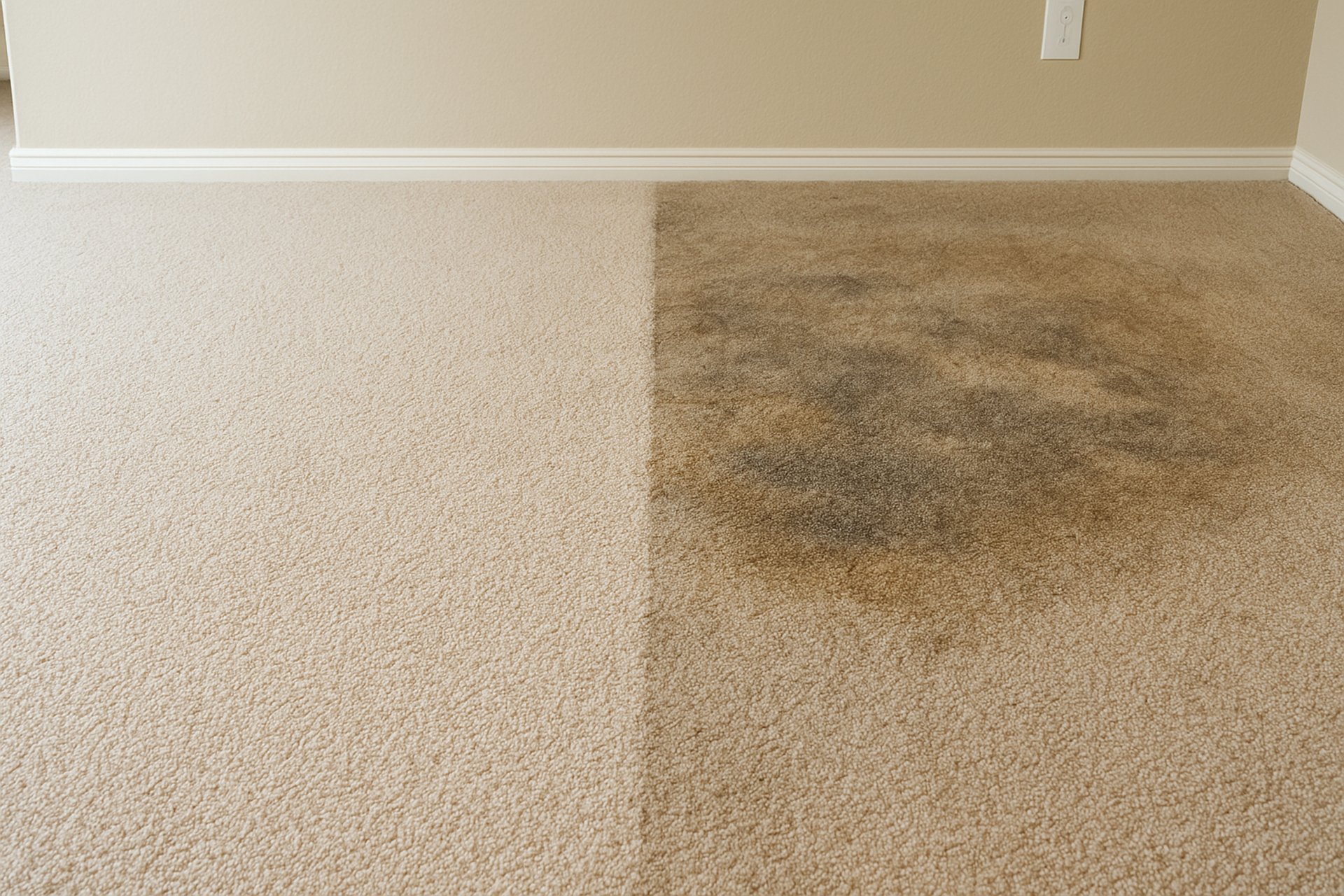
Dark spots or discoloration that spread irregularly
Fading or yellowing around edges (sign of older moisture)
Wrinkles, ripples, or buckling across the carpet surface
"Grainy" or crunchy texture when walking
Dark lines along baseboards indicating moisture wicking
For Homeowners: think of it as signal vs. noise. A single stain might be noise. A widening stain paired with texture changes is a signal, one that suggests your carpet in Katy needs immediate attention before the damage spreads to the subfloor.
Is Carpet Ruined If It Gets Wet?
It depends on the source, duration, and materials:
Clean water, dried within 24 hours → often salvageable
Damp padding for more than 48 hours → compromised
Grey/dirty water → typically unsalvageable
Anything involving mold → replace immediately
In Katy's humidity, carpets dry slower, so the window for saving them is smaller than in drier climates. for homeowners efficiency matters. If you act quickly after water exposure, you can prevent a complete carpet installation replacement. However, if the padding has absorbed moisture for more than two days, professional carpet installation in Katy is usually your most cost-effective path forward.
How Can You Tell If Carpet Is Ruined?
A carpet is considered ruined if:
The backing separates (delamination)
The padding remains wet or crumbles when touched
There is visible mold under the carpet
The carpet releases persistent odor after drying
It loses its original structural integrity or stability
If two or more of these signs exist, replacement with new carpet in Katy is typically more cost-effective than restoration. Attempting to salvage severely damaged carpet often leads to recurring mold issues, unpleasant odors, and compromised indoor air quality, none of which are acceptable long-term solutions.
How to Tell If There Is Moisture Under Your Carpet
Use this step-by-step diagnostic method:
1. The Foot Test
Walk slowly across your carpet in Katy. If one area feels colder or softer, this indicates possible hidden moisture beneath the surface.
2. Border Check
Run your hand along the baseboards. Damp baseboards often confirm moisture migration from the carpet padding into the walls.
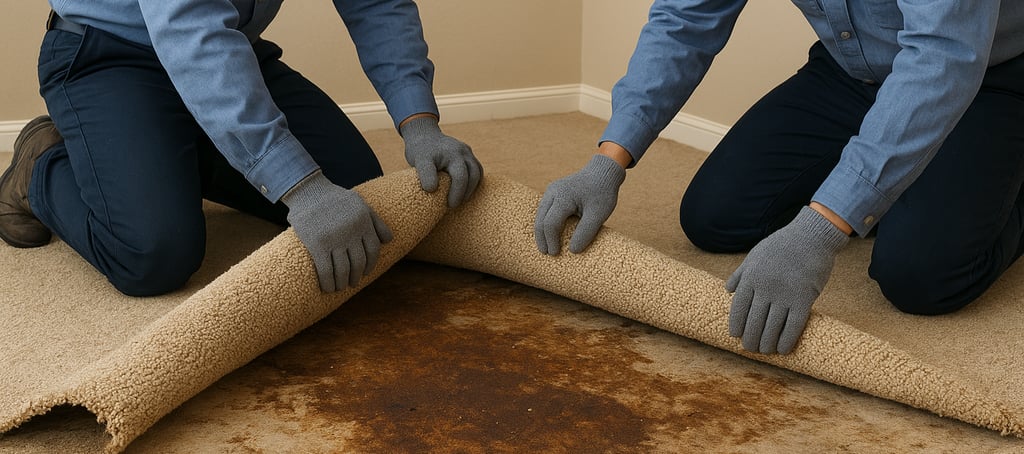
3. Lift and Inspect Method
Gently pull up a corner of the carpet:
Padding wet = confirmed moisture
Padding stained = long-term leak
Cushion falling apart = rot setting in
This is the most definitive DIY method for evaluating whether your carpet installation in Katy has been compromised.
4. Odor Evaluation
INTJs hate vague sensory input. Fortunately, musty odor is not vague. If you smell it in your carpet, moisture is present even if you can't see it. That smell indicates microbial growth, which means your carpet in Katy is beyond the point of simple drying.
5. Moisture Meter (Professional Tool)
Flooring specialists in Katy often use moisture meters to detect water inside the slab or below the padding. It's the fastest way to avoid guesswork and get accurate readings before committing to carpet replacement or restoration.
If You're in Katy, Here's How We Can Help
If you suspect water damage in your carpet, getting clarity early protects both your home and your budget. We can inspect the area, measure moisture levels, identify the source, and give you an expert, honest recommendation, whether that's drying, repair, or replacement with something more moisture-resistant like luxury vinyl plank.
Whether you need a professional assessment of your existing carpet in Katy or you're ready to explore new carpet installation in Katy with better moisture resistance, we're here to provide a logical, evidence-based evaluation, not upselling.
Schedule a quick visit, and we'll walk you through the findings step-by-step so you can make an informed decision with full confidence.
Next Floors
Info@Nextfloors.co
346-396-6398
© 2025. All rights reserved.