
One Wrong Remodeling Decision Cost This Fulshear Homeowner Their Brand-New Carpet
PRODUCT GUIDANCE
5/26/20267 min read

Introduction: A Remodeling Project Gone Awry
Homeowners often embark on remodeling projects fueled by visions of enhanced aesthetics and improved functionality. Such was the case for one family, who eagerly planned a significant upgrade to their residence. Their motivations were rooted in a desire for quality, which was reflected in their decisions to select premium engineered wood flooring and high-end carpeting as key components of the transformation. These selections not only underscored their commitment to craftsmanship but also represented their aspirations for a beautiful and inviting home environment.
However, what began as an exciting venture quickly descended into a cautionary tale of mismanagement. Despite the homeowners' diligence in choosing the finest materials to elevate their living space, the crucial aspect of proper sequencing was overlooked. Poor scheduling and inadequate communication between contractors and suppliers led to a debacle that none had anticipated. The timing of installations became a harbinger of chaos, as various trades struggled to collaborate effectively.
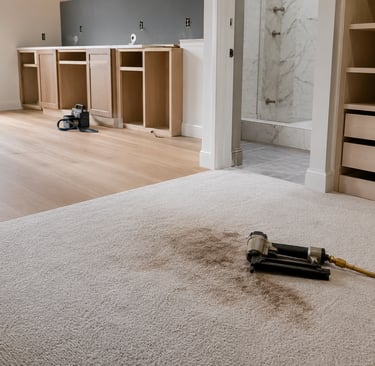
As the project progressed, the consequences of these missteps became painfully evident. The pristine engineered wood flooring was installed only to be marred by subsequent work, leading to scratches and damage that could not easily be remedied. Meanwhile, the high-end carpet, chosen for its luxurious feel, was delivered late, compounding frustrations. This unfortunate scenario serves to highlight that, without meticulous planning and clear communication, even the most well-intentioned remodeling endeavors can experience setbacks that detract from the original vision.
This family's experience stresses the importance of prioritizing proper sequencing in home remodeling. As we delve deeper into this narrative, we will outline comprehensive strategies that emphasize effective scheduling and promote seamless coordination among all stakeholders in the renovation process.
Understanding the Stakes: The Value of Quality Flooring and Carpet
Investing in premium flooring and carpet is a crucial decision for homeowners, with numerous benefits that significantly enhance both the aesthetic appeal and functional value of a property. Quality flooring not only elevates the appearance of a room but also contributes to the overall ambiance of the home. The right choice of materials can provide a warm, inviting atmosphere, establishing the foundation for a space that reflects personal tastes and lifestyle preferences.
Comfort is another essential element that distinguishes quality flooring and carpet. High-grade materials often come with superior cushioning and sound insulation properties, significantly improving the overall comfort of living spaces. The tactile experience that premium carpet provides underfoot is nothing short of luxurious, offering a warm and cozy environment, particularly during colder months. Moreover, these choices ensure that your home remains serene and quiet, minimizing the noise of footsteps and daily activities.
Durability is a critical factor when choosing flooring options, as premium materials typically withstand the test of time better than their inferior counterparts. Investing in quality flooring means less frequent replacements, which can save homeowners substantial costs over time. Furthermore, premium options are often designed to resist wear and tear, stains, and moisture, making them ideal for high-traffic areas and families with children or pets.
Ultimately, quality flooring and carpet should be viewed as long-term investments that play a significant role in safeguarding the overall value of your home. It is essential for homeowners to recognize the importance of protecting these investments through proper care and maintenance, ensuring that their choices not only provide immediate aesthetic benefits but also uphold their functionality and appearance for years to come.
The Pitfalls of Poor Communication with Contractors
Effective communication is the cornerstone of any successful home remodeling project. When homeowners and contractors fail to engage in clear, consistent dialogue, the consequences can be both costly and time-consuming. One of the most significant pitfalls associated with poor communication is the misalignment of expectations. Homeowners may assume that contractors understand their vision completely, while contractors might interpret project requirements differently. This disconnect can result in errors that necessitate expensive rework, not to mention delays in project timelines.
Another common issue arising from ineffective communication is the lack of clarity regarding job responsibilities. When roles and tasks are not explicitly defined, contractors may prioritize their work based on personal judgment rather than the homeowner’s preferences. This mismanagement can lead to critical tasks being overlooked or executed in the wrong order, further complicating the remodeling process. Homeowners may find themselves frustrated as unexpected complications arise, all stemming from a lack of initial clarity.
To mitigate these setbacks, it is essential to establish a communication protocol before commencing any work. One best practice is to have regular check-ins, which can be structured meetings or simple updates via email or phone calls. This will ensure that all parties remain aligned on timelines, responsibilities, and progress. Additionally, utilizing visual aids, such as detailed project plans or timelines, can help to communicate ideas more effectively. Furthermore, documenting conversations and decisions in writing can provide a tangible reference for all parties, minimizing the chance of misinterpretation.
In essence, prioritizing open communication with contractors not only fosters a collaborative environment but significantly reduces the risk of errors and misunderstandings during home remodeling projects. By ensuring that everyone is on the same page, homeowners can pave the way for a smoother, more efficient remodel.
The Consequences of Poor Project Sequencing
Improper sequencing of home remodeling tasks can result in significant complications, as highlighted by a common scenario experienced by homeowners. In many remodeling projects, overlapping trades can lead to issues that may not be immediately apparent. For instance, when multiple contractors are scheduled to work concurrently without a coherent timeline, miscommunication can occur. This lack of clarity often results in damage to previously completed work.
A cautionary tale involves a homeowner who decided to remodel multiple areas of their house simultaneously. In a rush to complete the project, the flooring installation was scheduled before the completion of tasks such as painting and electrical work. Unfortunately, this oversight meant that the painters were still working while the flooring was being laid down. Paint splatters and debris from the preparation work severely damaged the new carpet, necessitating costly repairs and replacement.
To avoid such situations, it is essential to plan remodeling projects with a precise sequence of tasks. Flooring installation should ideally be one of the last elements to be scheduled, following other trades that could potentially cause damages or disruptions. By ensuring that heavy-duty work, such as plumbing and electrical installations, occurs ahead of flooring, homeowners can protect their investment in new carpets and other finishes.
This example emphasizes the critical nature of a well-thought-out schedule. A well-planned sequence not only helps in maintaining the integrity of newly installed elements but also streamlines the workflow of different trades, allowing for an efficient remodeling process. Ultimately, the lessons learned from poor sequencing can guide future home improvement decisions to mitigate the risk of damage, ensuring a smoother and more satisfying renovation experience.
Repairing the Damage: The Aftermath of Poor Planning
Home remodeling is often envisioned as an exciting opportunity to breathe new life into living spaces. However, when critical steps in the planning phase are overlooked, the repercussions can be both emotionally and financially taxing. One of the more common examples of this oversight is the need for carpet patch repair after new flooring installations or extensive renovations. The sight of mismatched patches in a once cohesive carpet can evoke feelings of disappointment and frustration.
With the excitement of transforming a home into a more functional and visually appealing space, homeowners may find themselves lulled into a false sense of security regarding their budget and timeline. Unfortunately, unexpected repairs, such as those associated with carpeting, can derail even the best-laid plans. The cost of professional carpet patching can contribute to an already inflated renovation budget, leading to added stress and discontent.
Additionally, the emotional strain stemming from the need to undertake additional repairs cannot be overstated. Homeowners may feel a sense of embarrassment when showing their home to friends and family, as uneven patches clutter what should be a polished and elegant finish. The stress of rectifying such issues often shifts the focus from enjoyment of the newly remodeled space to a relentless cycle of repairs and financial apprehension.
Thus, the cascading effects of poor planning manifest not only in tangible costs but also in the intangible emotional turmoil that accompanies them. Such situations highlight the importance of comprehensive planning in remodeling projects. As the narrative unfolds, it becomes increasingly clear that adequate foresight can avert the need for costly repairs like carpet patching, enhancing overall satisfaction with the remodeling process.
Best Practices for Homeowners: How to Protect Your Investment
Home remodeling not only enhances the aesthetic appeal of one’s living space but can also significantly increase property value. However, to safeguard this investment, homeowners must adopt a proactive approach to the remodeling process. One of the paramount practices is to engage in thorough discussions with contractors about the project schedule. Establishing a clear timeline can help align expectations, ensuring that all parties are on the same page regarding milestones, deadlines, and the sequence of tasks.
Proper sequencing is crucial during home renovations, as it directly affects the overall efficiency and outcome of the project. Homeowners should insist on a detailed plan that outlines the order in which tasks should be completed. For example, major structural changes should occur before cosmetic upgrades like painting or flooring installation. Addressing these details upfront can prevent potential damage to newly installed features, as needless touch-ups or replacements may arise if appropriate sequencing is ignored.
In addition to discussing project timelines and sequencing, protecting newly installed flooring and carpets during ongoing renovations is essential. Homeowners should utilize protective barriers, like floor coverings or drop cloths, to shield surfaces from dust, debris, and accidental spills. Moreover, scheduling the installation of flooring or carpeting towards the end of the project can be advantageous; this allows contractors to complete messier tasks, such as demolition or plumbing, without jeopardizing the integrity of these finishes.
Finally, regular communication with contractors throughout the remodeling process is vital. Homeowners should not hesitate to ask questions or voice concerns about the project’s progression, ensuring that the renovation meets their expectations and remains a wise investment in their property. By implementing these best practices, homeowners can effectively safeguard their investments and achieve satisfying remodeling outcomes.
Conclusion: Learning from Mistakes for Future Projects
The journey of home remodeling can be both exciting and overwhelming, as illustrated by the experiences of many homeowners. In this particular cautionary tale, we have seen firsthand the consequences of neglecting the importance of proper sequencing during renovations. Homeowners often underestimate the complexity of a remodeling project and assume that any order of operations will suffice. However, this narrative underscores that meticulous planning and a well-thought-out sequence of renovations are pivotal to ensure successful outcomes.
Throughout the remodeling process, maintaining clear communication and expectations with contractors is essential. Homeowners should actively engage in the planning phases, asking pertinent questions and setting realistic timelines to safeguard their investment and minimize stress. By learning from past mistakes, such as carrying out electrical work after installing drywall, homeowners can avoid unnecessary frustrations and additional costs.
Moreover, there are abundant resources available that can help individuals become well-informed about proper remodeling practices. Websites, blogs, and home improvement forums can provide insights and tips on best practices for renovations. Homeowners are encouraged to take advantage of these resources, engaging with experienced professionals who can guide them in establishing a solid plan from the outset. It is crucial to accumulate knowledge about the importance of sequencing—understanding that certain tasks need to be completed in specific orders can greatly enhance the efficiency and effectiveness of the project.
Furthermore, scheduling regular check-ins with your contractor during the remodeling process can help keep the project on track, ensuring that each phase is completed satisfactorily before moving onto the next task. By approaching their remodeling endeavors with a proactive mindset, homeowners can mitigate risks associated with poor sequencing, ultimately transforming their homes into cherished spaces that reflect their vision.
Next Floors
Info@Nextfloors.co
346-396-6398
© 2025. All rights reserved.