
What Happens If You Install New Flooring Over a Bad Subfloor? (Richmond, TX Guide)
Ignoring your subfloor can lead to sagging floors, gaps, moisture damage, and costly repairs—especially in Richmond, TX. Learn what really happens when new flooring goes over a bad subfloor and how to avoid the mistake entirely.
12/12/20254 min read

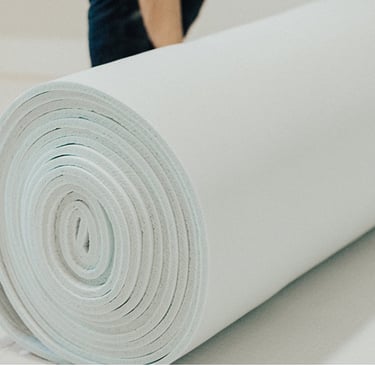
What Really Happens When You Install Flooring Over a Bad Subfloor
Installing new flooring over a bad subfloor almost always leads to early flooring failure, sometimes within months. When a subfloor is uneven, damaged, soft, or holding moisture, your new floor cannot stay stable. You'll start to see gaps between boards, buckling, soft spots, hollow sounds, shifting planks, or tiles that crack under pressure.
In Richmond's humidity-prone climate, an unaddressed subfloor issue can also trap moisture beneath the floor, causing mold growth, rot, and structural weakening. And here's the part homeowners often don't realize: the new flooring warranty is typically void if the subfloor wasn't properly inspected or prepared, meaning any failure becomes 100% out-of-pocket to fix.
The real cost doesn't come from the new flooring. It's from tearing everything out again, repairing the subfloor, and reinstalling all materials. Whether you're considering flooring installation in Richmond for hardwood, tile, or luxury vinyl, skipping the subfloor inspection doesn't save money. It guarantees a much more expensive repair later
What Happens If You Install New Flooring Over a Bad Subfloor? (Richmond, TX Guide)
If you're the kind of homeowner who values efficiency, clean lines, and long-term results (and if you're reading this, you probably are), here's the uncomfortable truth: new flooring can only perform as well as the subfloor beneath it. Many homeowners in Richmond make a costly assumption: "If the new floor looks good, the subfloor probably doesn't matter." Logical? Maybe. Correct? Absolutely not.
The subfloor is the foundation of your entire flooring system, and ignoring it sets off a chain of problems that often reveal themselves too late. Whether you're planning hardwood flooring installation or exploring LVP installation in Richmond, the quality of your subfloor determines whether your investment lasts five years or fifty
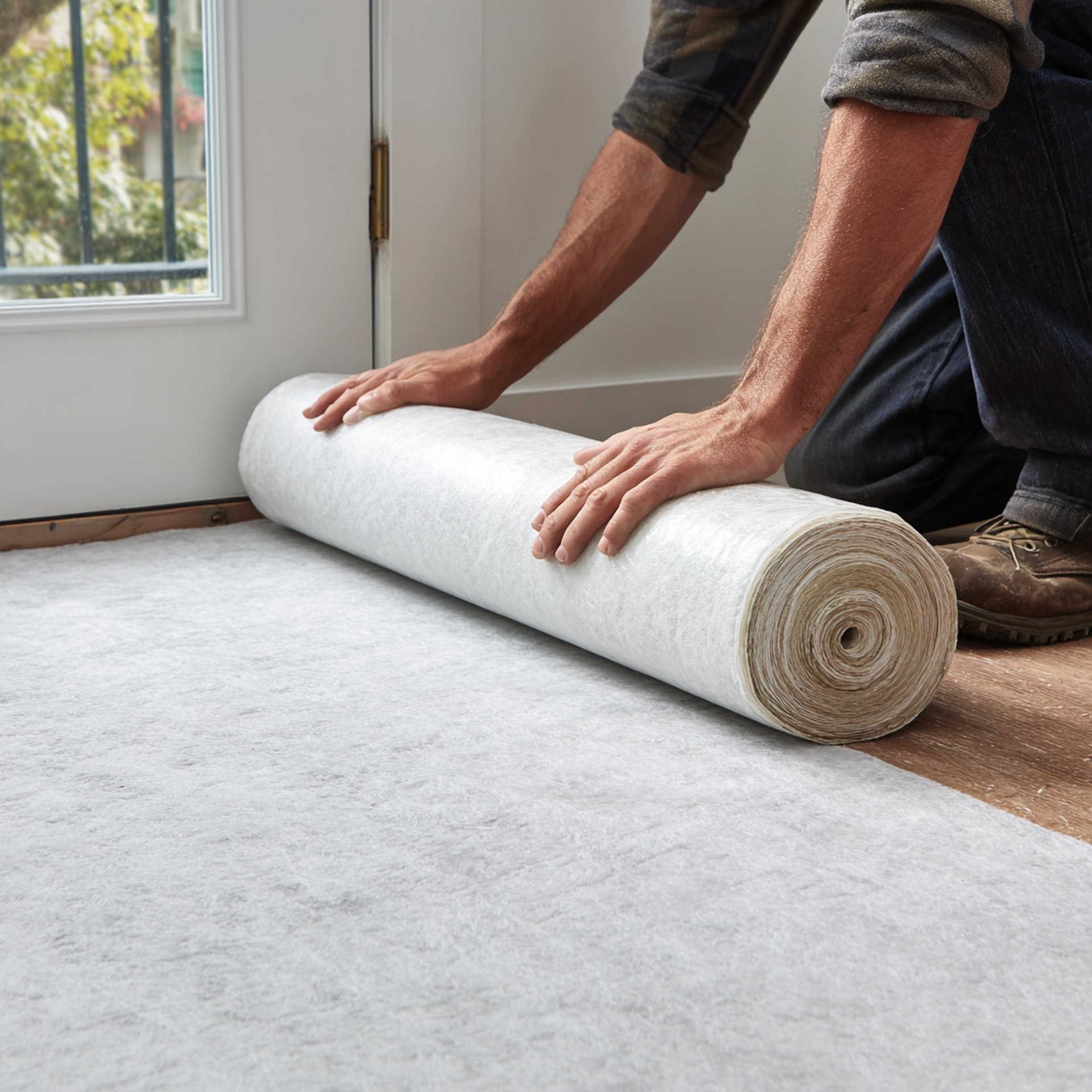
A Local Richmond Story: Where It Went Wrong
Earlier this year, a homeowner in Richmond called us in frustration: their "brand-new floors" (installed just nine months earlier) were already warping. The planks lifted in the hallway, the kitchen had soft spots, and the whole first floor sounded like a percussion instrument.
The cause? Moisture-soaked OSB and an uneven subfloor with a ⅝-inch dip across the living room. The installer had skipped the inspection to "save time." In the end, the homeowner paid more to rip out the nearly-new floor than they spent on the original flooring installation in Richmond.
It wasn't the flooring. It was the foundation.
This scenario plays out more often than it should, especially with rushed LVP installation in Richmond projects or hardwood flooring installation jobs that prioritize speed over structural integrity.
Can You Put Flooring Over a Bad Subfloor?
Not if you want the floor to last.
Smart homeowner logic says: If the base is compromised, the system fails. Flooring is no different.
Before any new flooring installation in Richmond, a professional should check for:
Levelness (industry-standard tolerance: 3/16" over 10 ft)
Moisture (especially critical in Richmond's high-humidity zones)
Rot, mold, or swelling
Loose panels or movement
Squeaks or deflection
If any of these are present, the subfloor needs repair first. Even premium materials like engineered hardwood, luxury vinyl plank, or tile will fail if the subfloor is unstable. This applies equally whether you're scheduling LVP installation in Richmond or planning a full hardwood flooring installation.


Does Flooring Affect Home Appraisal?
Yes, significantly. But here's the nuance: appraisers look for condition, uniformity, and installation quality, not just what the surface looks like.
Uneven floors, soft spots, or hollow tapping can result in:
A lower appraisal
Red flags for structural issues
Required subfloor repairs during the sale
In Richmond's competitive housing market, a flawless flooring installation in Richmond (whether it's hardwood flooring installation or LVP installation in Richmond) is a direct value booster. A flawed one is an inspection headache that can derail a deal.
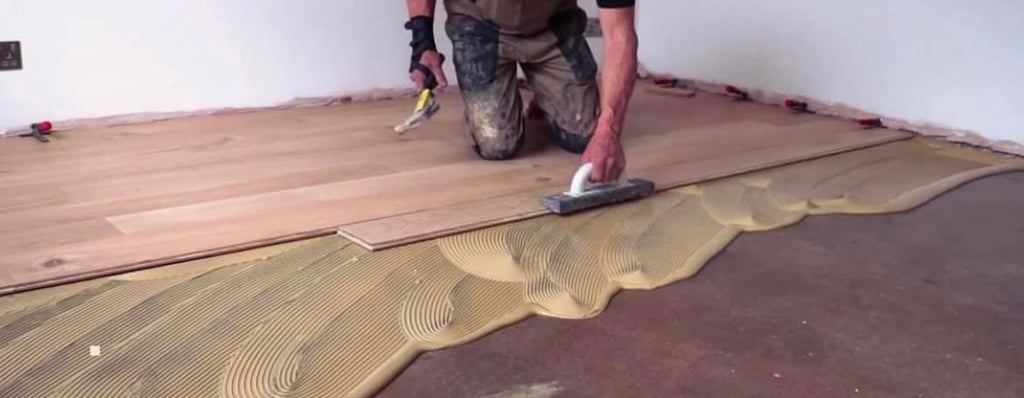
Can You Put Hardwood Over an Uneven Subfloor?
Hardwood is the least forgiving flooring type. Even slight unevenness telegraphs through the boards.
With improper hardwood flooring installation, you'll encounter:
Loud creaks
Gaps along the seams
Faster wear at high points
Buckling during seasonal moisture changes
Before installing hardwood in Richmond, your installer should level the subfloor with precision, not approximation. Quality hardwood flooring installation requires a rock-solid foundation. There's no workaround.
What Happens If You Install Vinyl Plank on an Uneven Floor?
Vinyl plank (LVP) is durable, but it isn't magic. On an uneven floor, even the best LVP installation in Richmond will eventually show:
Planks separating
Edges snapping
Bouncy or hollow areas
Visible waves when sunlight hits the floor
Floating floors amplify any underlying imperfections. Glue-down floors magnify them even more.
Uneven subfloor equals premature failure, guaranteed. This is why professional LVP installation in Richmond always begins with a thorough subfloor assessment, not surface-level prep.
Step-By-Step Breakdown: How a Pro Fixes a Bad Subfloor
Whether you're preparing for hardwood flooring installation, LVP installation in Richmond, or any other flooring installation in Richmond project, here's the process that ensures long-term success:
Full moisture test (critical in humid climates like Richmond)
Inspection for rot, mold, or structural issues
Screw-down reinforcement (eliminates movement and squeaks)
Grinding down high spots
Leveling low spots with self-leveler or patch compound
Underlayment selection based on floor type
Surface prep and clean installation of new flooring
This system ensures the flooring performs exactly the way it's engineered to, whether it's a hardwood flooring installation, LVP installation in Richmond, or tile work.
If You're in Richmond, Here's How We Can Help
If you're in Richmond and want new floors without costly surprises later, we offer thorough subfloor inspections, moisture testing, and honest recommendations before any flooring installation in Richmond begins.
Whether you're interested in hardwood flooring installation or exploring LVP installation in Richmond, we take the time to do it right the first time.
No pressure. Just straightforward guidance from pros who want your floors to last.
If you'd like help, we're here when you need us.
Next Floors
Info@Nextfloors.co
346-396-6398
© 2025. All rights reserved.